In today's world, lighting options play a crucial role in enhancing our environments. Choosing between a task lamp and a mood lamp can be challenging. Experts like John L. Wells, a renowned interior lighting designer, emphasize the importance of understanding these differences. He stated, "Selecting the right lamp can transform both functionality and ambiance."
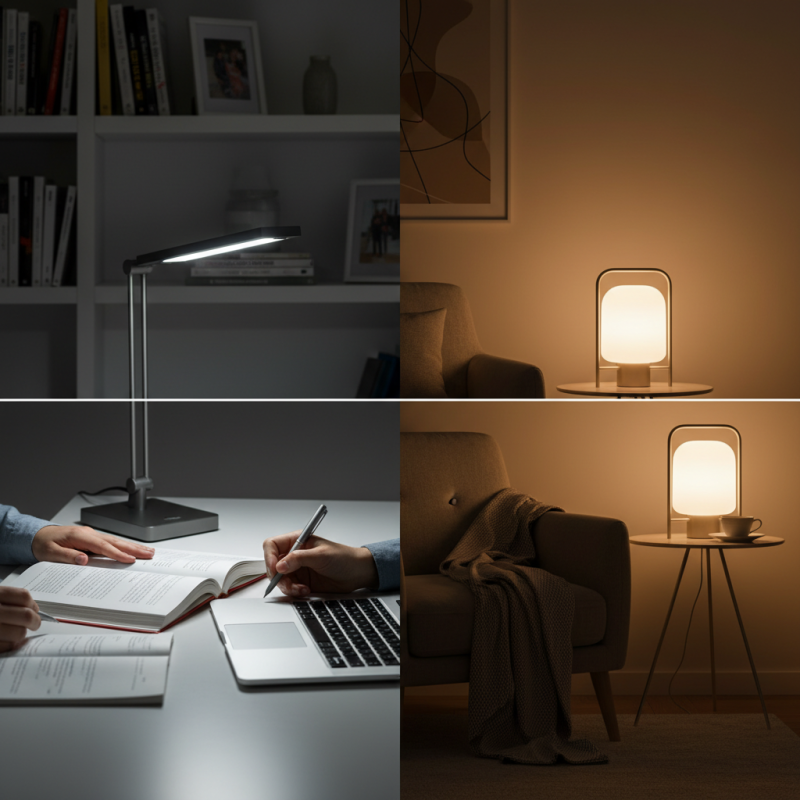
What is the difference between a task lamp and a mood lamp? Task lamps are designed for specific activities that require focused light, such as reading or working. They provide bright, direct illumination, making tasks easier. In contrast, mood lamps create a soft, diffuse light that promotes relaxation and enhances the atmosphere of a space. The essence here is about intention in lighting.
However, it can be tricky. You might find yourself drawn to the warm glow of a mood lamp after a long day, but need the practicality of a task lamp for your evening work. Reflecting on how lighting affects your daily life can lead to better choices. Choosing between these two types of lamps is more than just aesthetics—it's about creating the ideal environment that supports both productivity and comfort.
Understanding Task Lamps: Features and Benefits
When choosing a task lamp, consider your specific needs. These lamps serve a purpose beyond illumination. They enhance productivity and focus. A good task lamp should provide adequate brightness without being harsh. Adjustability is crucial; you want to direct light where it’s needed most. Brightness levels matter too. Ideally, you want a lamp with adjustable luminosity, allowing you to customize the light based on the task.
Task lamps are particularly beneficial for those engaged in detailed work. Artists and students can greatly benefit from focused light. A warm light tone can reduce eye strain during long hours of reading or crafting. Consider color temperature as well; different tasks require different lighting conditions. Check if the lamp design complements your workspace. An aesthetically pleasing lamp can make routine tasks more enjoyable.
Yet, not all task lamps are perfect. Some may lack flexibility or adjustability, leading to frustration. Users sometimes find their lamp too bright or dim. This creates an environment that feels uncomfortable. Finding the right lamp requires trial and reflection. Be prepared to explore various styles and functionalities. Ultimately, the right task lamp should enhance your working experience while fitting seamlessly into your space.
Exploring Mood Lamps: Types and Effects on Ambiance
Mood lamps have become increasingly popular in recent years. They are designed to create specific atmospheres in a room. Different types of mood lamps offer various effects, such as calming or energizing environments.
Color-changing LED lamps are a favorite. They can shift from warm to cool tones, affecting your mood significantly. Soft blues might soothe you, while vibrant yellows can energize.
Candle-style mood lamps imitate the flicker of real candles. They create intimacy, perfect for gatherings or relaxing evenings.
However, choosing the right lamp can be tricky. Not all options work in every space. Sometimes, you may find that a lamp’s light is too harsh or not bright enough. Experimenting with various types can lead to unexpected discoveries. Take your time; the right ambiance requires thoughtful reflection. Try mixing different lamps to find balance in lighting.
Key Differences Between Task Lamps and Mood Lamps
When choosing between a task lamp and a mood lamp, it's essential to understand their key differences.
Task lamps are designed for functional use. They provide focused light for activities like reading, studying, or working.
Their brightness and directionality help reduce eye strain during prolonged tasks. An adjustable arm often accompanies these lamps, allowing users to position light precisely where needed.
On the other hand, mood lamps are about ambiance. Their primary goal is to create a warm and inviting atmosphere. They often use softer, diffused lighting.
Mood lamps can feature color-changing options, enhancing the emotional experience of a space.
While they offer soothing light, they may not provide enough brightness for detailed work.
Choosing a mood lamp often involves a personal preference for aesthetics and emotional comfort.
In the end, your decision might also hinge on your daily routines. Some may find that a single lamp can’t fulfill both needs.
Perhaps a task lamp suits your workspace while a mood lamp enhances your living area.
Evaluating your tasks and desired atmosphere will guide you toward the best choice.
Factors to Consider When Choosing a Lamp
Choosing the right lamp can be challenging. Task lamps and mood lamps serve different purposes. Understanding their differences is essential for effective selection.
When choosing a lamp, consider your specific needs. If you require focused light for reading or working, a task lamp is ideal. According to the American Lighting Association, proper task lighting can enhance productivity by up to 25%. On the other hand, mood lamps create a soft, inviting atmosphere. They often use warmer hues to promote relaxation. The right light can influence your mood significantly.
Tips: Assess your space. Calculate the lumens required for your activities. A well-lit workspace is crucial for concentration. Experiment with lamp placement to see what works best. You may find that your preferences change over time.
Additionally, think about bulb types. LED lights, for example, are energy-efficient and long-lasting. They provide bright, clear light for tasks. In contrast, incandescent bulbs offer a warm glow, perfect for mood enhancement. Each option has its pros and cons. Reflect on which aspects matter most to you.
Before making a decision, visualize your daily routines and how lighting affects them. What works today might not suit future needs. Prioritize flexibility and functionality to adapt to changes in your lifestyle. This thoughtful approach will guide you in making the right choice.
2026: How to Choose Between a Task Lamp and a Mood Lamp
This chart compares the main factors to consider when choosing between a task lamp and a mood lamp. The data presented shows the significance of various factors such as brightness, color temperature, energy efficiency, design, and versatility.
Matching Your Lighting Choice to Lifestyle Needs
Choosing the right lighting can significantly affect your daily life. Task lamps are designed for focus and productivity. They provide bright, direct light that helps with reading or working. This is essential when you need to see details clearly. On the other hand, mood lamps create an ambiance. They soften the room and promote relaxation. Which one fits your lifestyle better?
Consider your daily routine. If you often work from home, a task lamp will meet your needs. It helps minimize eye strain and improves your concentration. But if your evenings are about unwinding, a mood lamp may suit you best. It can transform your space with warm colors and soothing patterns. Sometimes, the decision may not be straightforward. You might find yourself needing both for different times of the day.
Reflect on your true requirements. Are you more productive in bright light? Or do you thrive in a relaxed environment? Experiment with your choices. Combine different lamps to see what feels right. Lighting affects your mood and productivity uniquely. Your perfect setup may not exist yet, but that’s part of the journey.
2026 How to Choose Between a Task Lamp and a Mood Lamp? - Matching Your Lighting Choice to Lifestyle Needs
| Lighting Type |
Purpose |
Best Uses |
Light Quality |
Dimming Options |
| Task Lamp |
Focused lighting for specific tasks |
Reading, Writing, Crafting |
Bright, directed light |
Often has variable brightness |
| Mood Lamp |
Ambient lighting to create a mood |
Relaxation, Decoration, Parties |
Soft, diffused light |
Usually fixed brightness |
| Task Lamp |
Focused lighting for specific tasks |
Office Work, Study Sessions |
High color accuracy |
Varies by model |
| Mood Lamp |
Ambient lighting to create a mood |
Relaxing, Romantic Settings |
Colored light options |
Limited dimming features |
FAQS
: Think about your specific needs for brightness and adjustability.
They provide focused light, reducing eye strain during prolonged activities like reading or crafting.
Adjustable luminosity allows customization based on the task, ensuring comfort and clarity.
Task lamps offer functional focus, while mood lamps create a warm ambiance.
No, mood lamps often lack the brightness necessary for tasks requiring precision.
Choosing a lamp may depend on your aesthetic taste and the atmosphere you want to create.
Yes, you might need a task lamp for work and a mood lamp for relaxation.
Not really; finding the right lamp often requires trial and exploration.
The right lighting can enhance productivity and improve your mood throughout the day.
Reflect on your requirements and experiment. Your perfect lighting setup may take time.
Conclusion
When considering how to choose between a task lamp and a mood lamp, it is essential to understand their distinct features and benefits. Task lamps are designed for functionality, providing direct, focused light suitable for activities such as reading, writing, or crafting. In contrast, mood lamps aim to create an ambiance and influence emotions, often utilizing colors and warmth to set a particular atmosphere in a space.
“What is the difference between a task lamp and a mood lamp?” revolves around their intended use—task lamps prioritize practicality, while mood lamps emphasize aesthetic and emotional enhancement. Additionally, factors such as style, brightness, and the specific needs of your lifestyle should be taken into account when making a choice. Ultimately, aligning your lighting with your activities and personal preferences will help you enhance both productivity and comfort in your environment.

 LuxPower Light